RUNE TALES: THE CITADEL
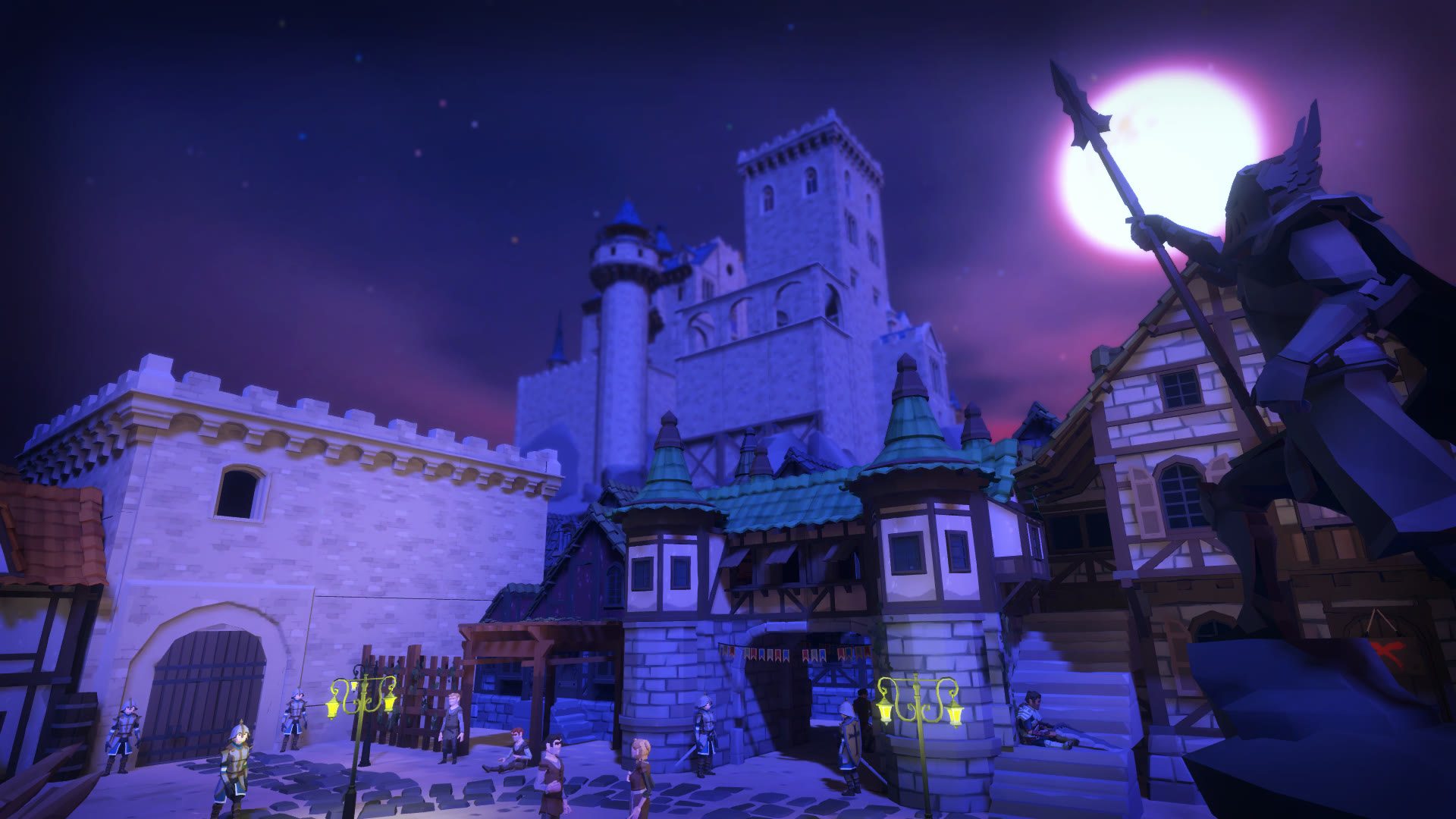
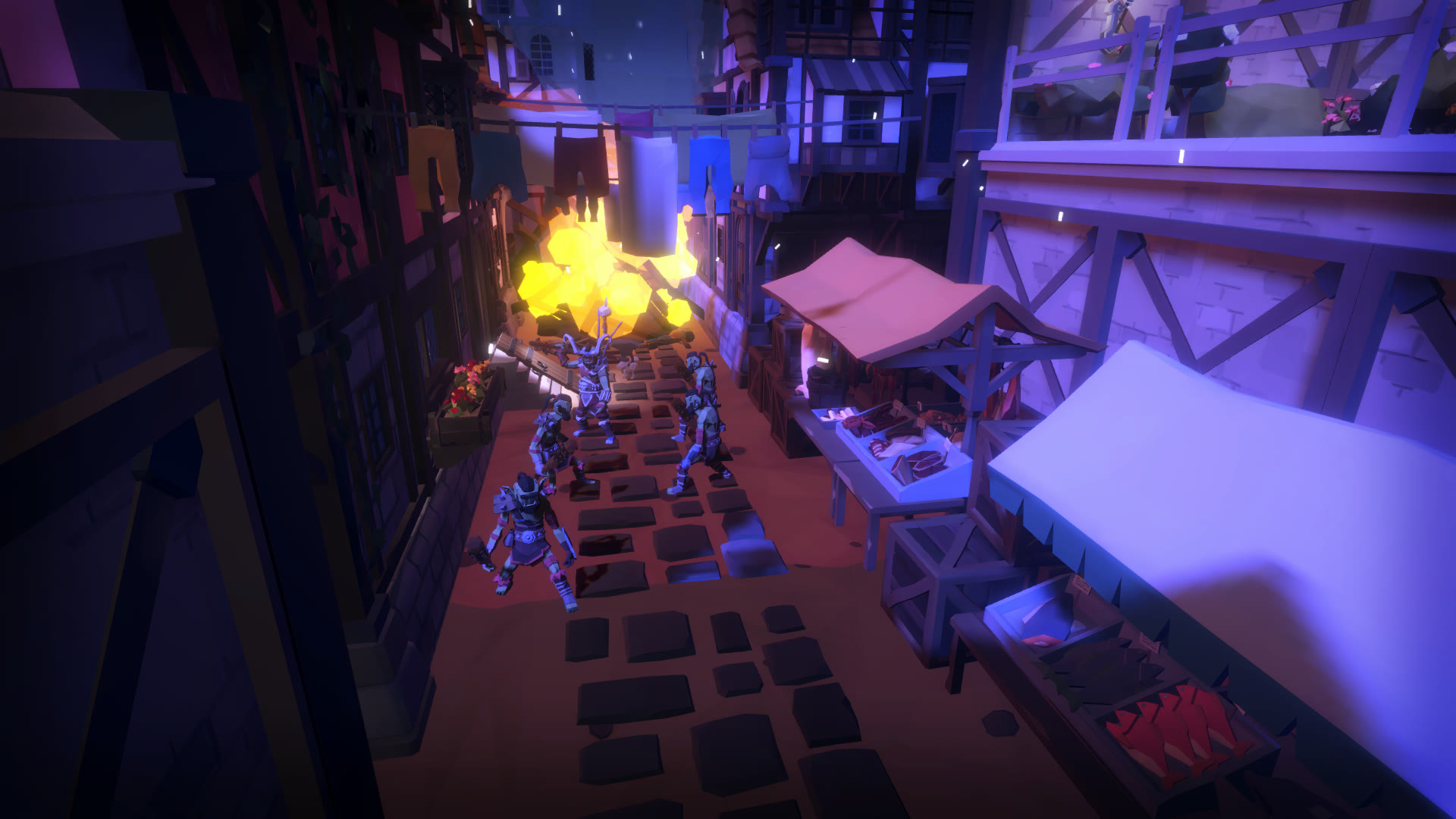
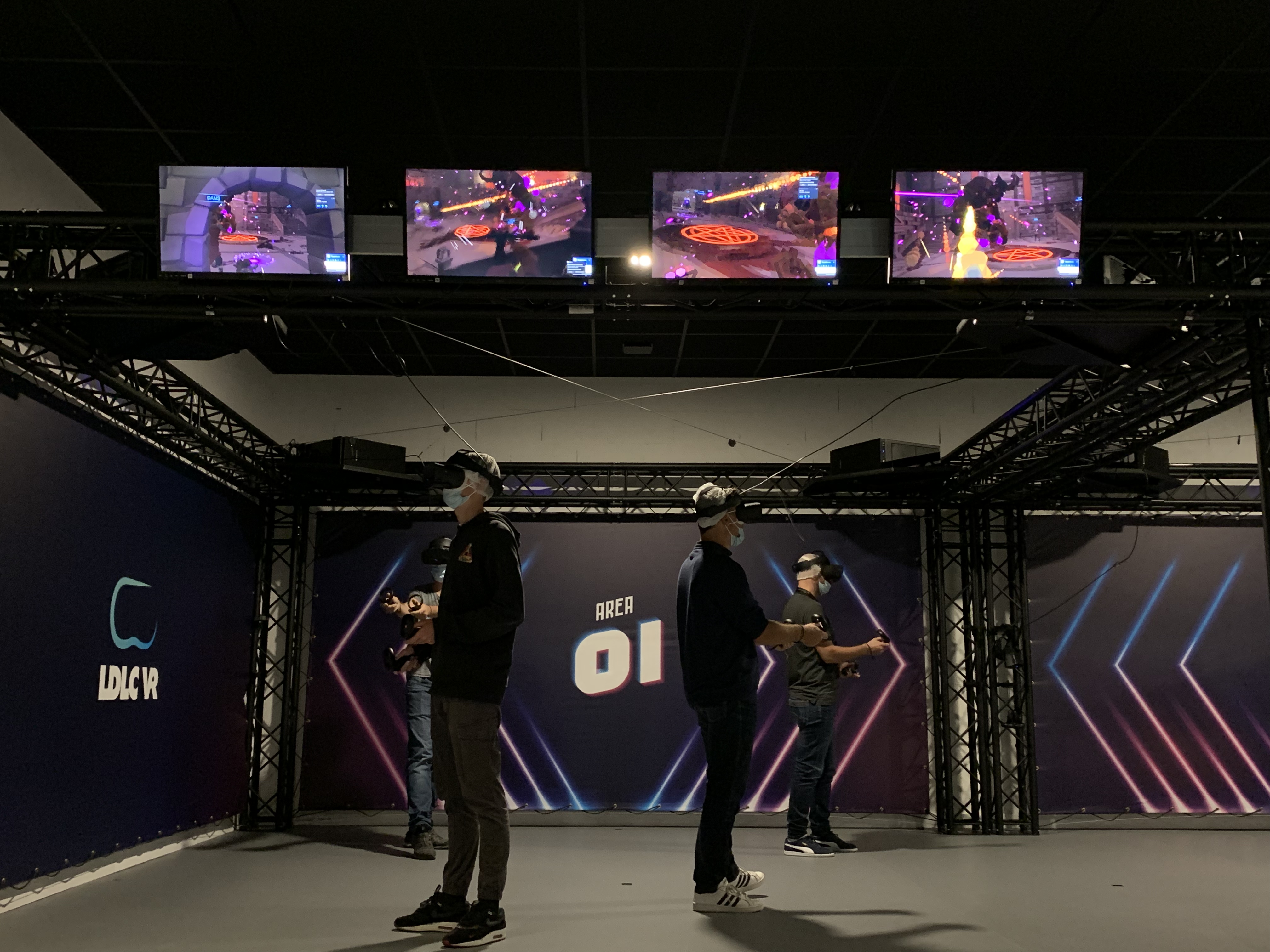
A cooperative VR action adventure for 2 to 6 players. The city has fallen under the control of the sorcerer Raistlin and his army of creatures. Players train with weapons, fight through narrow streets, defeat enemy hordes, and collect Runes scattered across hand-crafted level sequences. Separation is not an option: cooperation is required to survive. The design challenge: making the same geometry and encounter systems work for groups ranging from 2 to 6, without branching the experience.
End-to-end ownership
On Rune Tales: The Citadel, I was sole game designer and sole level designer in a team of 5. The project is a case of end-to-end ownership: I carried every link in the design chain, from the first line of the pitch to the final polish pass.
- Wrote the initial pitch and full GDD
- Designed every level on paper, then built and integrated them in-engine
- Owned environment dressing, encounter balancing, lighting, and final polish pass
- Contributed beyond design when needed: VFX, integration work, timeline sequencing
Game design
The game design directive was straightforward to state and hard to execute: a cooperative VR action experience for 2 to 6 players in a 20 to 25 minute arcade session, fully readable without any UI element, in a high fantasy setting designed to anchor a future series.
- Designed the core gameplay loop: weapons, exploration, combat against enemy hordes, Rune collection
- Built the Rune progression system as the macro structure for the run
- Balanced encounter density for variable group sizes (2 to 6 players) without changing the underlying geometry
- Defined the cooperation pressure point: players cannot separate, the design rewards staying together
- Established the series template: setting, tone, mechanical grammar, and visual identity carried forward into Rune Tales: Underground
Level design
The level is a hand-crafted adventure with a fixed spatial structure: a precise sequence of environments guiding players through the city without any waypoint or UI marker. Every spatial decision serves both readability and atmosphere.
The only variable element in the run is concentrated on the two horde defense moments embedded in the level. Enemy wave density and duration at each defense point scales with the session time set by the venue operator, not with player count. Everything else is fixed, authored geometry.
- Designed the full level as a fixed, sequenced layout: no branching, no modular assembly, one authored path
- Built the two horde defense encounters to scale with session time, the only variable in the level
- Used lighting direction and architectural cues as the only navigation system: no minimap, no waypoint, no text prompt
Cross-disciplinary contributions
A small team rewards generalists. Beyond design and level design, I contributed hands-on to several adjacent disciplines: VFX setup for combat and Rune interactions, scene integration work alongside engineering, and timeline-based sequencing for the cinematic moments. Not as a substitute for specialists, but to keep production moving when bandwidth was tight.
Legacy
The Citadel became the #2 most played title in the studio catalogue with 559K minutes played.